
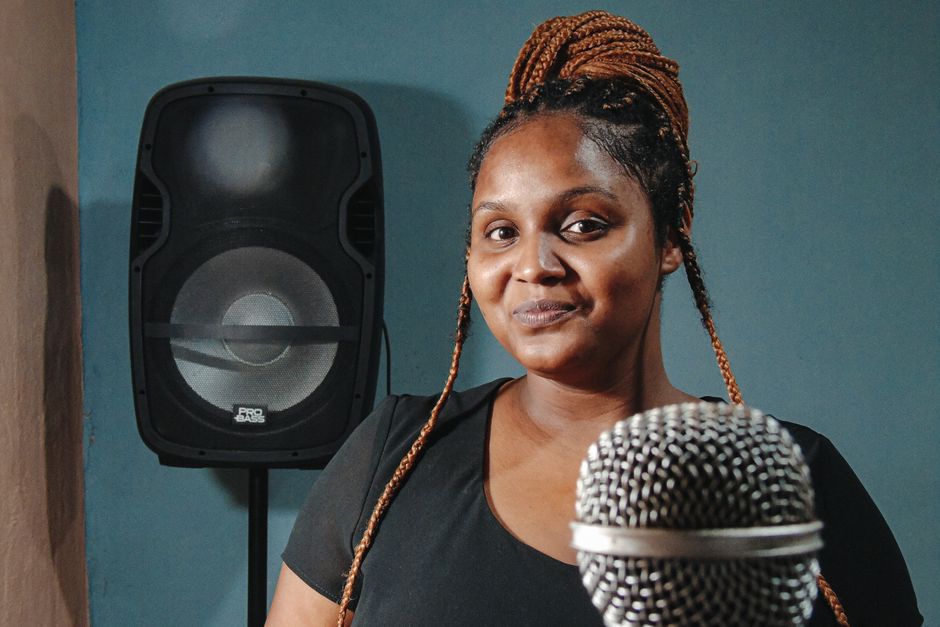
A useful assistant should follow the switch from English to Twi without making your mother repeat herself or flattening the meaning. Before her sensitive voice note reaches the cloud, you should also get a clear choice about whether it goes there at all.
In April 1970, Apollo 13’s crew faced a carbon dioxide problem inside the lunar module. The command module carried square lithium hydroxide canisters, while the lunar module used round ones. The crew had filters, but the available parts did not fit the system keeping them alive.
Engineer Ed Smylie and a team in Houston worked out an adapter using materials available aboard the spacecraft, including plastic bags, cardboard, a suit hose and duct tape. Mission Control then guided Jim Lovell, Jack Swigert and Fred Haise through the assembly before anyone knew for certain that the improvised device would bring the carbon dioxide level under control. Lovell and Jeffrey Kluger document the episode in Lost Moon.
The lesson is smaller here, but the mechanism matters. A system can possess every required piece and still fail when it expects one fixed format. Families do not speak in tidy language settings. The English and Twi belong to one conversation, so the assistant has to follow the whole turn while keeping the route taken by the recording visible.
The language can change when the meaning gets closer
Your mother may begin with logistics in English: who has arrived, what needs collecting, which relative called. Then the message becomes sensitive. She changes to Twi halfway through because that is how the warning, concern or family detail comes naturally.
That switch is part of the meaning. It can signal closeness, seriousness or a phrase that would sound distant if forced into English. Making her stop, choose another language and record again breaks the thought into pieces. It also adds work at the exact moment she is trying to speak plainly.
Nkomo accepts natural Twi and Ghanaian English conversation in the same exchange, typed or spoken. In voice mode, you hold to speak, hear the reply and can interrupt naturally. The conversation can move the way people already talk at home, in Accra, Kumasi or across a family call from abroad.
This matters beyond transcription. A reply can contain correct words and still miss the relationship carried by the switch. What happens when Twi carries the concern in an English conversation? looks more closely at that difference.
Privacy needs a visible decision before the message leaves
Sensitive speech creates a second problem. Understanding the languages is only half the job. You also need to know what may reach the cloud.
Nkomo gives you three explicit cloud-consent choices: never, ask each time or this session. That puts the decision where you can see it, before habit or uncertainty takes over.
“Never” is the firm boundary. “Ask each time” suits conversations where the sensitivity changes from one message to the next. “This session” avoids repeated prompts while preserving a limited decision instead of turning one approval into an indefinite assumption.
The distinction matters when an ordinary family update suddenly includes a health concern, disagreement, financial detail or name you would rather keep close. Language can change halfway through a recording. Sensitivity can change halfway through it too.
If you want a practical example of that decision point, read The Cloud Choice Abena Made Before Her Family Voice Note Could Leave Drafts.
Local history should stay under your control
Cloud consent answers where information may be sent. Local history answers what remains on your device afterward.
Nkomo lets you control on-device history. Turn history off and it is purged immediately. You can also export your data or delete your account with one tap. Those controls make privacy something you can act on, rather than a promise buried in general language.
Errors are shown as well. If something goes wrong, Nkomo does not silently swallow the failure and leave you guessing whether the message was understood, saved or sent. For a sensitive voice note, visible failure is safer than false confidence.
There is no need to claim that every conversation should avoid the cloud. Different people will make different choices, and the same person may choose differently depending on what the message contains. The important thing is that consent stays specific, understandable and available at the moment it matters.
Test the fit before sharing something sensitive
Before using any assistant for a private family message, try a low-stakes version first. Speak one natural sentence that moves between English and Twi. Check whether the response follows the full meaning. Then inspect the cloud setting and local-history choice before sharing anything personal.
Apollo 13’s filters were valuable, but compatibility determined whether they could do their job. Your mother’s English and Twi should not become two disconnected inputs, and privacy controls should not become an invisible layer beneath them.
Start with one ordinary voice note. Let the language switch naturally. Choose what may reach the cloud, decide whether the local history should remain, and confirm that the assistant shows you when something fails.
Comments
No comments yet.