
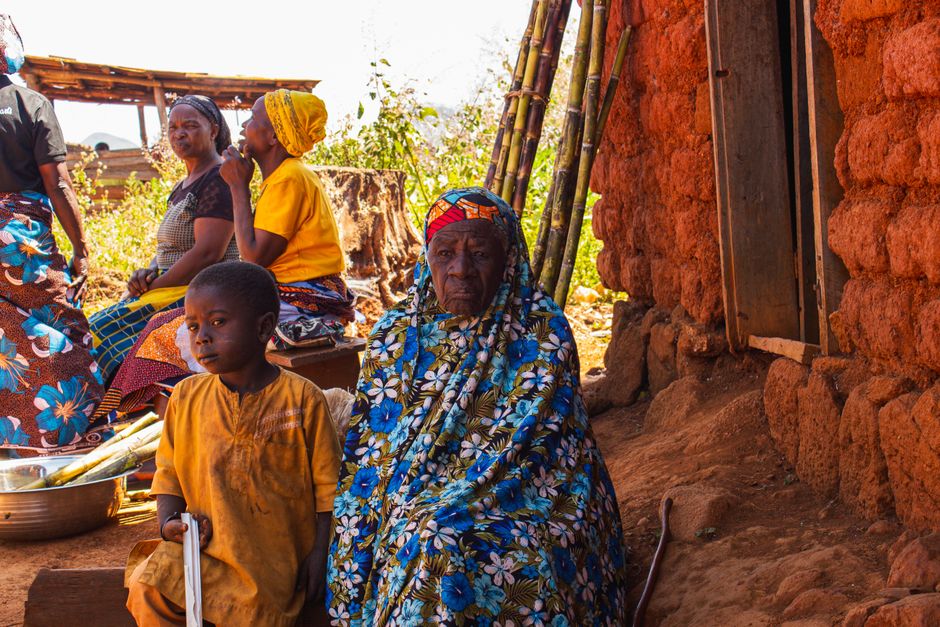
Understanding Twi and answering in English is a real form of bilingual communication called receptive bilingualism. When Grandma speaks Twi and your child replies accurately in English, meaning has crossed generations even if both speakers use different languages.
In April 1970, the Apollo 13 crew faced a dangerous mismatch in space. The command module used square carbon dioxide filters, while the lunar module, where astronauts James Lovell, Fred Haise and Jack Swigert had taken refuge, used round openings. Rising carbon dioxide threatened the crew, and the available parts did not fit.
Engineers at NASA’s Mission Control in Houston had to build an adapter using materials available inside the spacecraft. The improvised device worked, helping the lunar module’s system use the command module’s filters. Lovell and Jeffrey Kluger document the crisis in Lost Moon, their account of Apollo 13.
The square filter did not become round. The connection succeeded because the engineers worked with both forms.
That is the useful shape of the analogy for a bilingual family. Grandma may ask, “Wo ho te sɛn?” and hear, “I’m fine, Nana.” The child understood the question, chose a response and kept the relationship moving. The languages did not match on the surface, but the conversation worked.
Understanding can arrive before confident speech
Receptive bilingualism describes a familiar pattern: someone understands a language better than they can speak it. A child may follow Twi at home, laugh at the right point in a family story and know when an instruction is serious, yet reach for English when it is time to answer.
That gap can come from exposure, confidence, habit or the setting in which each language is used. A child in London, Toronto or Accra may hear Twi mostly from grandparents and English through school, friends, books and screens. Their understanding gets regular practice. Their spoken Twi may get much less.
The English answer still gives you evidence. Did the child respond to the actual question? Did they catch who or what Grandma meant? Did they notice a correction or change of subject? Those details show that Twi is active in the exchange, even when it does not appear in the reply.
Calling that conversation a failed lesson can make the child cautious. Treating it as successful communication gives the family somewhere useful to begin.
Keep the conversation alive before correcting it
Imagine Grandma asks, “Woadidi?” The child answers, “Yes, I ate already.” A quick correction may seem helpful, but repeated correction can turn every family call into a test.
A gentler approach is to accept the meaning, then offer a small amount of Twi the child can reuse. Grandma might respond with the natural Twi phrase she hoped to hear and continue the conversation. The child gets another model without losing their place in the exchange.
Parents can support this with small, repeatable habits:
- Let the child answer in English when that keeps them talking.
- Repeat one useful Twi phrase instead of correcting every word.
- Ask familiar questions that make the expected response easier to retrieve.
- Leave room for mixed answers, especially while confidence is growing.
- Notice accurate understanding aloud: “You understood what Nana asked.”
The aim is more contact with Twi, not a performance under pressure. A two-minute exchange that ends warmly is more likely to happen again than a longer exchange that leaves the child embarrassed.
The same principle applies to conversational technology. Requiring a speaker to choose Twi or English before every turn creates friction that ordinary Ghanaian conversation does not have. Auntie should not have to choose one language before she speaks, and a child should not have to produce a perfect Twi sentence before their understanding counts.
Give mixed-language practice a private place
Some children will try more Twi when the audience is smaller. They may hesitate during a family video call but experiment freely when typing or speaking to a tool that accepts natural Twi, Ghanaian English and the mixture between them.
Nkomo is built for that kind of conversation. A child or parent can talk or type, switch between Twi and English within the exchange, hold to speak, hear the reply and interrupt naturally. This can support low-pressure practice before the next call with Grandma.
Privacy choices remain explicit. Cloud consent can be set to never, ask each time or this session. History stays on the device under the user’s control, and turning it off purges it immediately. Data export and account deletion each take one tap. Nkomo also shows errors instead of swallowing them, so a missing response is not mistaken for a language mistake.
These controls matter when families are deciding where a child can practise, what gets retained and when information may reach the cloud. Nkomo does not make the family conversation unnecessary. It gives the child another place to rehearse the words they already understand and try the ones that do not yet come easily.
Build from the reply you already have
Start with one exchange your family uses often. A greeting. A question about food. A reminder to greet an auntie. Let Grandma ask it naturally in Twi and let the child answer in whichever language comes first.
Then add one small bridge. The child can repeat a key Twi word, choose between two short responses or practise the full answer privately before the next call. Mixed-language rehearsal can prepare someone to call home without turning the call itself into an examination.
The Apollo 13 adapter mattered because it connected the parts the crew actually had. Families can do the same with the language already present: Grandma’s Twi, the child’s English and the meaning both understood.
Next time the child answers correctly in English, stay in the conversation. Then offer one Twi phrase they can carry into the next one.
Comments
No comments yet.